Acupuncture for Anxiety: What the Research Says
Anxiety affects millions of Canadians. Acupuncture offers a natural, evidence-based approach to calming the nervous system and reducing anxiety symptoms.
Anxiety is one of the most common mental health challenges in Canada. It affects millions of people, manifesting as persistent worry, physical tension, racing heart, digestive issues, sleep disruption, and a constant sense of unease. While therapy and medication are valuable tools, many people are seeking additional, natural approaches to managing anxiety — and acupuncture has emerged as a powerful option.
In my practice at The Fixx, I treat anxiety regularly. Patients are often surprised by how profoundly acupuncture can affect their mental state. Let me share what the research says and how acupuncture works to calm the anxious mind.
Understanding Anxiety from Both Perspectives
The Western Medical View
Anxiety disorders involve dysregulation of the nervous system. The sympathetic nervous system — responsible for the "fight or flight" response — becomes overactive, keeping the body in a state of heightened alertness. This involves elevated cortisol and adrenaline, increased heart rate, shallow breathing, and muscle tension. Over time, this chronic stress response takes a toll on both mental and physical health.
The Traditional Chinese Medicine View
In TCM, anxiety is often associated with imbalances in specific organ systems:
- Heart: Houses the mind (Shen). Heart imbalances can manifest as anxiety, palpitations, and insomnia.
- Liver: Responsible for the smooth flow of energy and emotions. Liver Qi stagnation — often caused by stress — can lead to irritability, frustration, and anxiety.
- Kidney: The root of the body's energy. Kidney deficiency can manifest as fear, anxiety, and exhaustion.
- Spleen: Responsible for digestion and clear thinking. Spleen deficiency can lead to worry, overthinking, and anxiety.
Your treatment is designed to address the specific patterns underlying your anxiety.
What the Research Shows
The evidence base for acupuncture and anxiety has grown significantly:
- Clinical trials have shown that acupuncture can significantly reduce anxiety scores in patients with generalized anxiety disorder.
- Pre-surgical anxiety studies demonstrate that acupuncture reduces anxiety before medical procedures.
- Neuroimaging studies show that acupuncture affects brain regions involved in anxiety, including the amygdala (the brain's fear centre) and the prefrontal cortex (involved in emotional regulation).
- Hormonal studies demonstrate that acupuncture reduces cortisol levels and increases the release of endorphins and serotonin.
How Acupuncture Calms the Nervous System
Activating the Parasympathetic Nervous System
Acupuncture is one of the most effective ways to shift the nervous system from sympathetic (fight-or-flight) to parasympathetic (rest-and-digest) mode. During treatment, heart rate decreases, breathing slows and deepens, and muscles relax. This shift is immediately perceptible — most patients feel deeply calm by the end of their session.
Regulating Neurotransmitters
Research shows that acupuncture influences the release of neurotransmitters involved in mood regulation, including serotonin, dopamine, and GABA (the brain's primary calming neurotransmitter). By supporting healthy neurotransmitter balance, acupuncture helps create a more stable, calm mental state.
Reducing Cortisol
Chronic anxiety keeps cortisol elevated, which perpetuates the cycle of stress and anxiety. Acupuncture has been shown to reduce cortisol levels, helping to break this cycle.
Releasing Physical Tension
Anxiety lives in the body. Tight shoulders, a clenched jaw, shallow breathing, a churning stomach — these physical manifestations of anxiety are directly addressed by acupuncture. By releasing physical tension, we also help calm the mental state.
What to Expect
Assessment
Your first session includes a thorough assessment. I'll ask about your anxiety — when it started, what triggers it, how it manifests physically and mentally. I'll also assess your sleep, digestion, energy, and stress levels.
Treatment
Acupuncture for anxiety typically includes points on the head, ears, arms, and legs. Ear acupuncture (auricular acupuncture) is particularly effective for calming the nervous system. The treatment itself is deeply relaxing — most patients feel a sense of calm and wellbeing during and after the session.
Treatment Course
Anxiety typically requires an initial course of 6–8 weekly sessions. Many patients notice improved sleep and reduced physical tension after the first few sessions, with mental and emotional shifts developing over the course of treatment.
A Holistic Approach
Acupuncture is most effective as part of a comprehensive approach to anxiety management:
- Therapy: Acupuncture complements psychotherapy beautifully — therapy addresses the cognitive patterns, while acupuncture addresses the physiological component.
- Lifestyle: Regular exercise, adequate sleep, and stress management practices enhance acupuncture's effects.
- Mindfulness: Breathing exercises, meditation, and mindfulness practices work synergistically with acupuncture.
Important Note
Acupuncture is a complementary therapy for anxiety, not a replacement for professional mental health care. If you're experiencing severe anxiety, panic attacks, or thoughts of self-harm, please consult a mental health professional.
Anxiety can feel overwhelming, but you don't have to manage it alone. Acupuncture offers a natural, evidence-based way to calm your nervous system, reduce physical tension, and support your mental wellbeing.
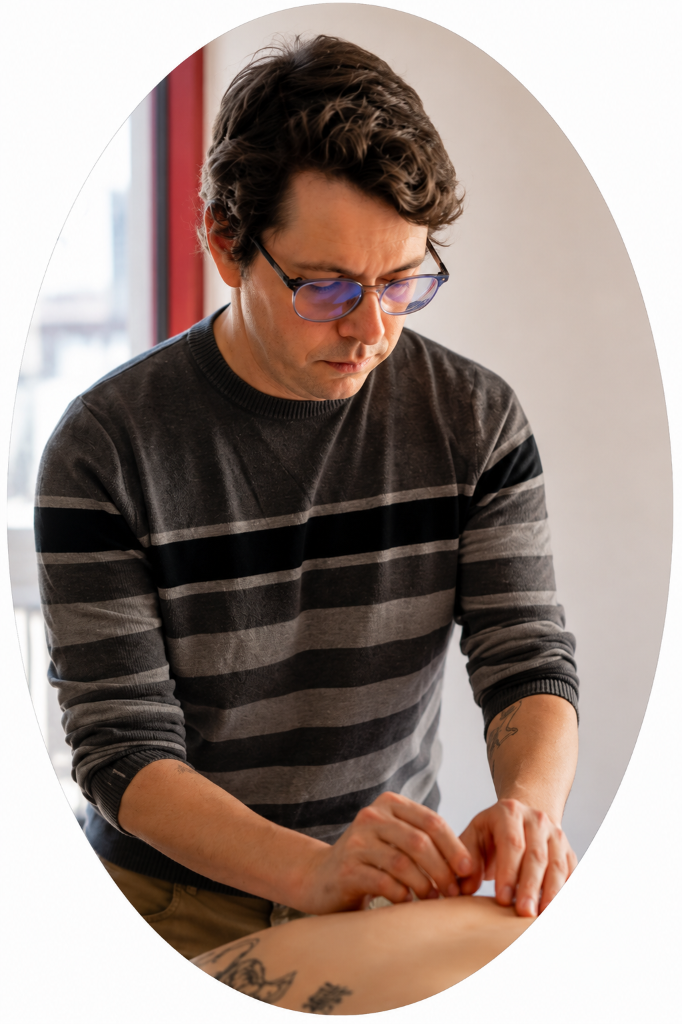
About the Author
Brian Abbott, Acupuncturist
Registered Acupuncturist · Registered Acupuncturist (R.Ac)
Brian Abbott provides highly individualized acupuncture treatments designed to address the root causes of pain, muscular dysfunction, stress, and nervous system imbalance. His calm and focused approach combines Tradition...