The Science Behind Cupping Therapy
Cupping therapy leaves those distinctive circular marks — but what does it actually do? Learn the science behind this ancient technique and its modern applications.
You may have seen athletes at the Olympics with distinctive circular marks on their shoulders and backs. Or perhaps a friend mentioned cupping and showed you those dark, perfectly round bruises. Cupping therapy has gained significant attention in recent years, but it's actually been practiced for thousands of years in Traditional Chinese Medicine.
As an acupuncturist who regularly incorporates cupping into my treatments at The Fixx, I want to demystify this technique — explain what it is, how it works, what those marks mean, and what it can do for you.
What Is Cupping Therapy?
Cupping involves placing cups on the skin to create suction. The suction draws the skin and underlying tissue upward into the cup, increasing blood flow to the area and creating a range of therapeutic effects.
Types of Cupping
- Dry cupping: The most common form. Suction is created using a mechanical pump or by heating the air inside the cup (fire cupping). The cups are left in place for 5–15 minutes.
- Sliding or gliding cupping: Oil is applied to the skin, and the cups are moved along muscles — like a reverse massage. Excellent for large muscle groups.
- Wet cupping: A less common technique involving tiny superficial scratches in the skin before applying the cup. Not part of a standard treatment.
The Science: How Cupping Works
Increased Blood Flow
The suction created by the cups dramatically increases local blood circulation. This brings fresh oxygen and nutrients to the tissue and helps clear metabolic waste products. Enhanced circulation accelerates healing in damaged or tense tissues.
Fascial Release
The upward pull of cupping lifts and separates the layers of fascia — the connective tissue that surrounds muscles. This is similar to myofascial release in massage therapy, but the mechanism is different. Instead of pressing down into tissue, cupping pulls it upward, which can release restrictions that are difficult to address with downward pressure alone.
Lymphatic Stimulation
Cupping stimulates the lymphatic system, which helps reduce swelling and inflammation. The improved lymphatic drainage helps clear toxins and waste products from the treated area.
Pain Modulation
Like acupuncture, cupping appears to stimulate the nervous system in ways that reduce pain perception. The suction activates nerve endings that send signals to the brain, triggering the release of endorphins and other natural pain-relieving compounds.
Muscle Relaxation
The combination of increased blood flow, fascial release, and nervous system modulation causes muscles to relax. Many patients feel an immediate sense of release and decreased tension after cupping.
What Cupping Treats
Cupping is effective for a wide range of conditions:
- Muscle tension and pain: Particularly in the back, neck, and shoulders
- Sports recovery: Reduces muscle soreness and accelerates recovery after intense training
- Chronic pain: Helpful for conditions like fibromyalgia and chronic back pain
- Respiratory conditions: Traditionally used for coughs, colds, and asthma
- Headaches: Especially tension headaches related to neck and shoulder tension
- Scar tissue: Helps break down adhesions from surgery or injury
What About Those Marks?
The circular marks left by cupping are perhaps its most distinctive — and misunderstood — feature.
They're Not Bruises
While they look like bruises, the marks from cupping are different. A bruise is caused by trauma that breaks blood vessels. Cupping marks are caused by the therapeutic drawing of blood to the surface. The dark colour comes from stagnant blood and metabolic waste being brought to the surface for clearance.
Colour and Meaning
- Light pink: Minimal tension or stagnation in the area
- Red or dark red: Moderate tension or inflammation
- Purple or very dark: Significant stagnation, often in areas of chronic tension or old injury
- Marks that fade quickly: Generally indicate good circulation and less severe issues
Duration
Cupping marks typically last 3–10 days, depending on the intensity of the treatment and the individual's circulation. They are not painful — unlike a bruise from injury, the area doesn't feel tender to the touch.
What to Expect During a Cupping Session
Cupping is often incorporated into an acupuncture treatment, but it can also be a standalone therapy. During your session:
- I'll identify the areas that need treatment based on your assessment.
- Cups are applied to the skin and suction is created. You'll feel a tight, pulling sensation — it should not be painful.
- The cups remain in place for 5–15 minutes, or are moved along the muscles for sliding cupping.
- After removal, I'll assess the marks and discuss what they indicate.
After cupping, it's important to drink plenty of water, keep the treated area warm, and avoid strenuous activity for the rest of the day.
Is Cupping Right for You?
Cupping is generally safe, but it's not for everyone. It should be avoided if you have certain skin conditions, are pregnant (on certain areas), have bleeding disorders, or are taking blood thinners. I always assess your individual suitability during your consultation.
Cupping is a powerful, time-tested therapy that complements acupuncture and massage beautifully. If you're dealing with muscle pain, tension, or looking to enhance your recovery, it may be exactly what your body needs.
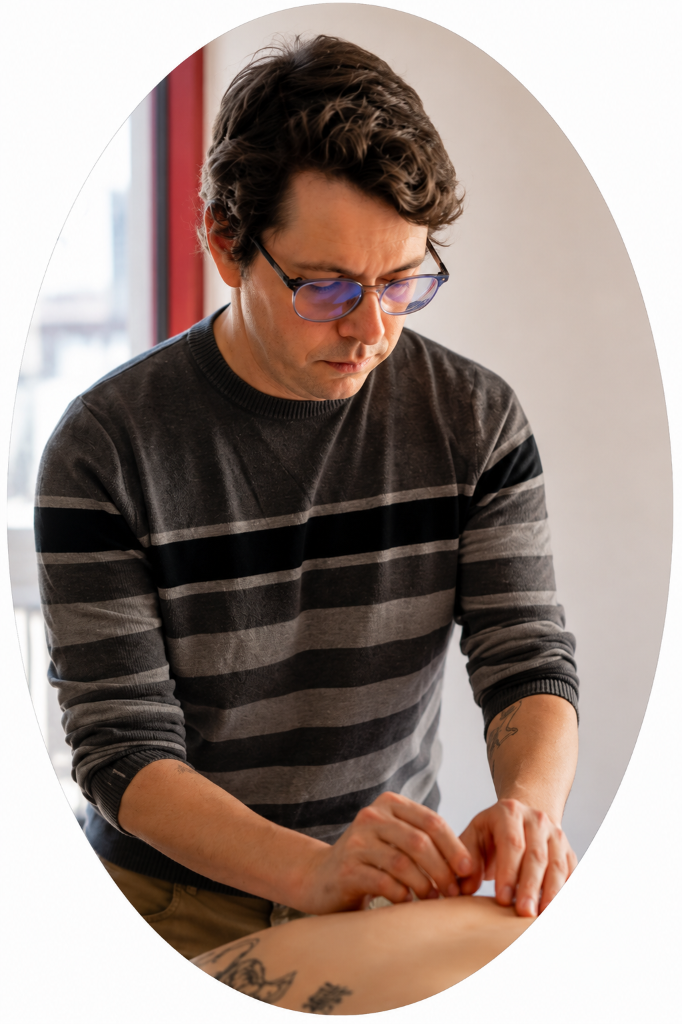
About the Author
Brian Abbott, Acupuncturist
Registered Acupuncturist · Registered Acupuncturist (R.Ac)
Brian Abbott provides highly individualized acupuncture treatments designed to address the root causes of pain, muscular dysfunction, stress, and nervous system imbalance. His calm and focused approach combines Tradition...